
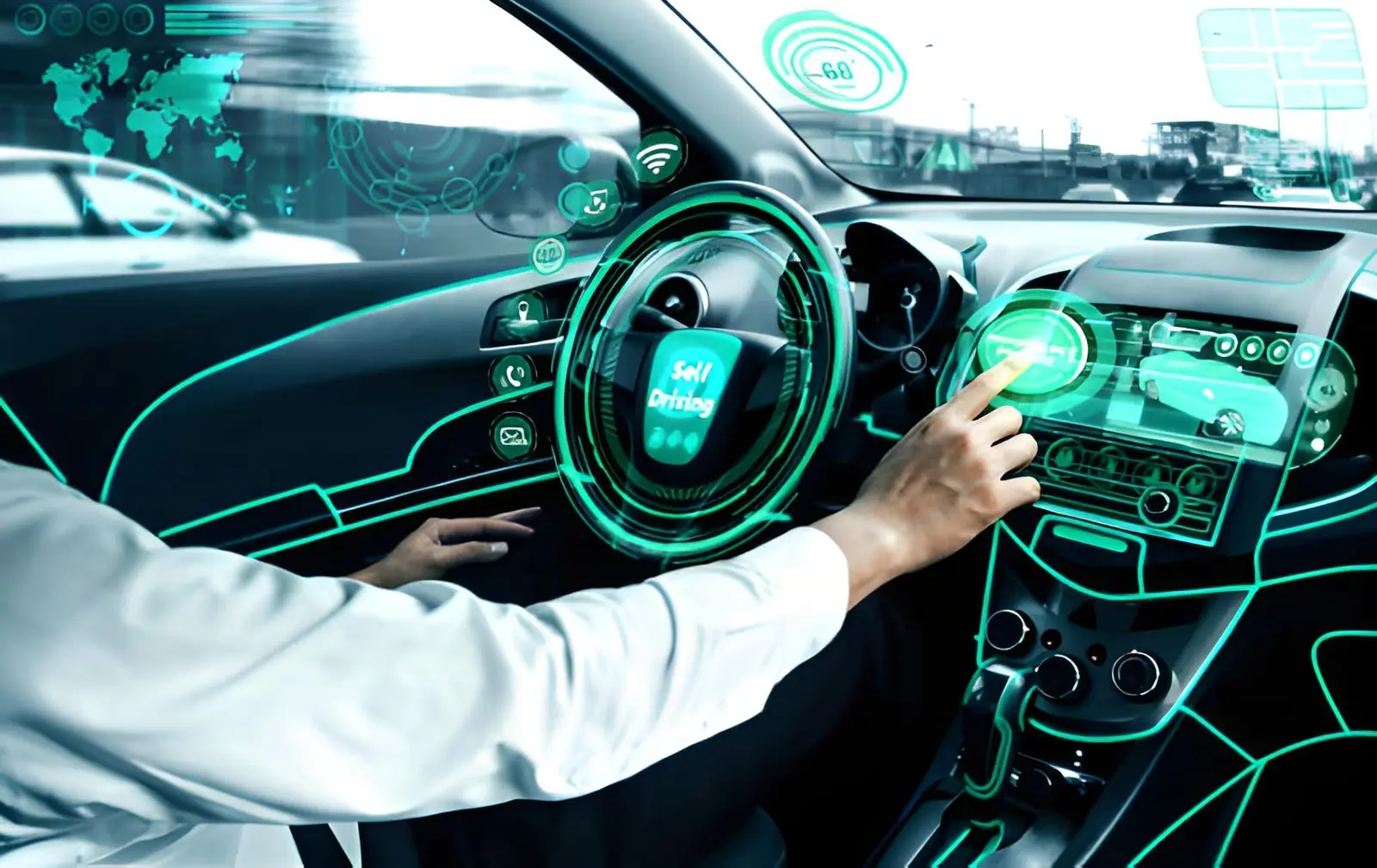
Automotive technology has evolved rapidly, ushering in new safety features that help prevent accidents and protect both drivers and passengers. As new models arrive in the market, they are equipped with intelligent systems designed to detect hazards, anticipate driver errors, and even intervene automatically to reduce crash risks. Learn more about the latest advancements and how modern cars set a new standard for road safety.
With advanced sensors, AI, and regulations, driving is safer and smarter. These technologies address common causes of traffic incidents, such as distracted driving, fatigue, and obstacles. As automakers integrate these systems, road safety is transforming. Features like emergency braking and driver monitoring address consumer needs and comply with strict government regulations. These innovations reduce accidents and make roads safer for everyone. While safety tech can’t replace careful driving, it offers vital support that can save lives. As systems improve, they’ll face new challenges and enhance travel security.
Automatic Emergency Braking (AEB)
Automatic Emergency Braking (AEB) is a transformative technology that uses sensors and onboard computers to identify obstacles ahead. If a potential collision is detected and the driver does not react swiftly, the system applies the brakes automatically. According to the National Highway Traffic Safety Administration, implementing AEB can cut front-to-rear crashes in half and reduce injury crashes by more than half. Plans are underway for AEB to become a standard feature in all new passenger cars by 2029, which could save hundreds of lives and avoid thousands of injuries each year.
Adaptive Cruise Control (ACC)
Adaptive Cruise Control builds on traditional cruise control by using radar and cameras to maintain a set distance from the vehicle ahead. ACC adjusts speed according to traffic flow, including the ability to slow down or stop entirely and then resume speed—all without driver intervention in stop-and-go scenarios. Combined with braking systems like AEB, ACC reduces the risk of rear-end collisions and can alleviate driver fatigue in congested conditions. This combination of convenience and safety has made ACC a highly sought-after feature in new cars.
Lane Centering Assist
Lane Centering Assist technology relies on cameras to track lane markings, gently steering the car to stay centered. This system provides small but constant steering adjustments, helping prevent unintentional lane departures. When used with other driver assistance systems, Lane Centering Assist makes highway travel less stressful by managing subtle corrections that typically require frequent driver attention. It also helps reduce sideswipe and run-off-road crashes, providing another layer of protection for drivers and passengers.
Driver Drowsiness Detection
Fatigue is a major factor in many accidents, and Driver Drowsiness Detection aims to address this problem directly. These systems monitor driver vigilance by analyzing steering habits, correction patterns, and, sometimes, facial expressions and blink rates. If drowsiness or distraction is detected, a visual or audible alert prompts the driver to rest. The European Union has mandated that all newly introduced vehicles include such technology, reflecting its proven effectiveness in reducing fatigue-related incidents.
AI Integration in Vehicle Safety
Artificial Intelligence (AI) is rapidly emerging as a cornerstone of vehicle safety. Advanced AI platforms interpret vast amounts of real-time data from vehicle sensors, enabling smarter decision-making by both the driver and vehicle systems. Volvo’s collaboration with Google’s Gemini AI is an example of this, where intuitive voice controls let drivers manage navigation, calls, and climate controls without taking their hands off the wheel or their eyes off the road. This not only minimizes distractions but can also increase responsiveness during unexpected driving situations.
Regulatory Mandates and Future Trends
Government agencies are requiring automakers to adopt advanced safety features, like the upcoming AEB mandate from NHTSA, meaning nearly all new cars in the U.S. will have crash-prevention systems. Carmakers are developing innovations such as Ford’s remote “Start Inhibit” function, which disables the engine of a stolen car. These steps aim to prevent accidents, theft, and boost safety. Future changes include AI advancements, vehicle-to-vehicle communication, and smarter infrastructure, making roads safer and providing drivers with better support for accident avoidance.
Conclusion
Advanced driver-assistance technologies are reshaping vehicle safety, combining automation, AI, and real-time monitoring to reduce accidents and protect lives. Features such as Automatic Emergency Braking, Adaptive Cruise Control, Lane Centering Assist, and Driver Drowsiness Detection help prevent collisions, reduce driver fatigue, and enhance overall road safety. With regulatory mandates and ongoing innovation, including AI integration and smarter vehicle systems, these technologies are set to become standard in nearly all new vehicles. Embracing these advancements not only improves safety for drivers and passengers today but also lays the foundation for a future of safer, more intuitive, and accident-resistant roads.
Also Read
